
What Coconut Water Contains and Why Healthy Lanes Is Redefining Clean Hydration
Pick up any wellness conversation happening in India right now and there is a very good chance coconut water is part of it. Athletes are trading their sports drinks for it. Nutritionists are recommending it to patients managing blood pressure. Parents are handing it to kids instead of packaged juices. The popularity is not accidental, and it is not just hype.
But here is the thing most people overlook: not all coconut water is created equal. The question is not just whether coconut water is good for you. The real question is what coconut water contains, where it comes from, and how much of that goodness actually survives by the time it reaches your hands.
This blog walks through the science: the exact nutrients found in coconut water, what each of them does in your body, and why the freshness of the source makes all the difference. It also explains how Healthy Lanes is solving a very real problem for modern urban Indians who want clean hydration without the compromise.
The best hydration is not about finding something with the longest shelf life. It is about finding something that was never altered in the first place.
What Is Coconut Water, Really?
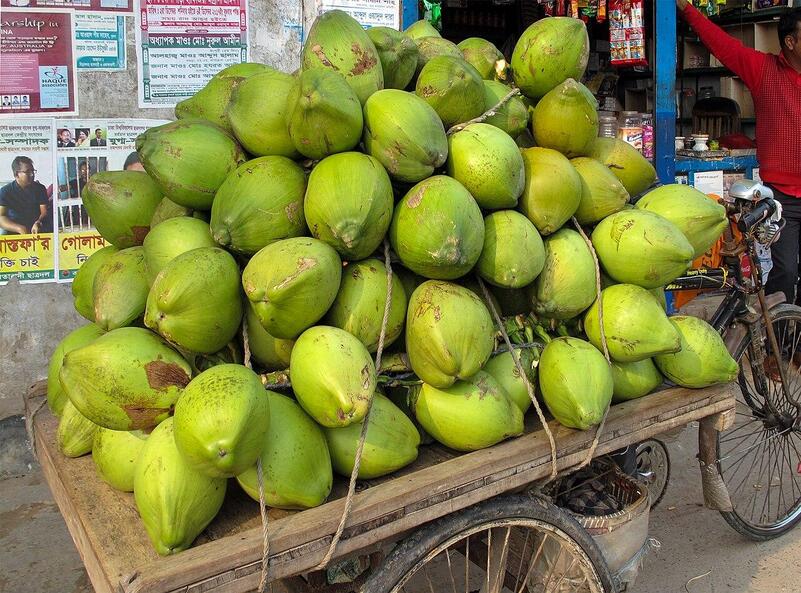
Coconut water is the naturally occurring clear liquid found inside a young, immature coconut. It is not manufactured, blended, or added. The tree does the work, and the coconut is the container. A single tender coconut holds roughly 200 to 1,000 ml of this liquid depending on its size and stage of maturity.
It tastes mildly sweet, slightly nutty, and refreshing in a way that most beverages simply do not replicate. That specific flavour profile is a result of its unique chemical composition. Every component you taste and cannot taste is doing something useful.
Coconut Water vs. Coconut Milk: An Important Distinction
These two are frequently confused and it is worth being clear. Coconut water is the thin, translucent liquid inside a young green coconut. Coconut milk, on the other hand, is a processed product made by grating the white flesh of a mature coconut, mixing it with hot water, and straining it. Coconut milk is thick, opaque, and high in fat. Coconut water is low in fat and low in calories. They are different products with different nutritional profiles and very different uses.
Fresh Tender Coconut Water vs. Packaged Coconut Water
This distinction matters just as much. Packaged coconut water found in cartons or bottles has typically been pasteurised, filtered, or treated to extend shelf life. Some brands add sugar or preservatives. The processing alters the enzyme content and reduces certain heat-sensitive nutrients.
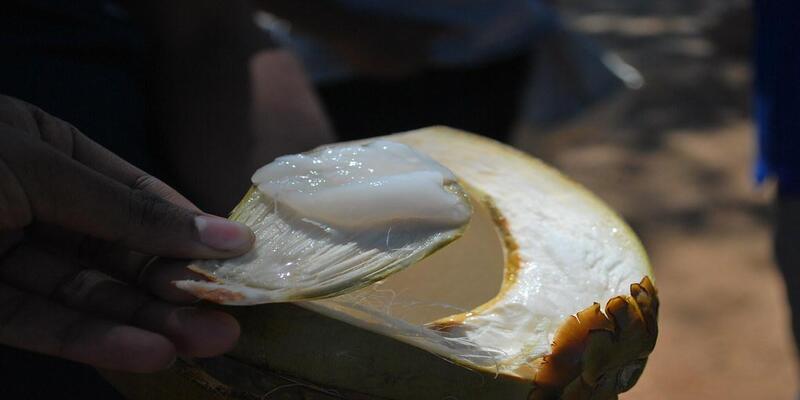
Fresh water drawn directly from a tender coconut contains the full original nutrient profile, including live enzymes, naturally intact cytokinins, and electrolytes at their most bioavailable. This is the version your body was designed to absorb.
What Coconut Water Contains: A Complete Nutritional Breakdown
Understanding exactly what coconut water contains is the foundation of understanding why it works. The numbers are specific, and they are worth knowing.
The Core Composition
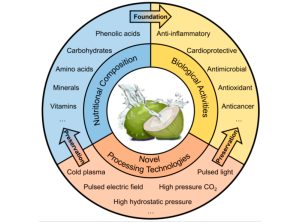
Roughly 94% of coconut water is water itself. The remaining 6% is where the nutritional action happens. That fraction carries natural sugars, electrolytes, amino acids, vitamins, and bioactive compounds that collectively make coconut water one of the most nutrient-dense natural beverages available.
A standard 240 ml serving of fresh, unsweetened coconut water contains approximately:
| Nutrient | Amount (per 240 ml) | % Daily Value (approx.) |
|---|---|---|
| Calories | 45 to 60 kcal | 3% |
| Total Carbohydrates | 9 to 15 g | 4 to 5% |
| Natural Sugars | 6 to 8 g | Natural source |
| Protein | 0.5 to 2 g | Trace |
| Fat | 0.5 g | Less than 1% |
| Potassium | 500 to 600 mg | 14 to 17% |
| Sodium | 40 to 60 mg | 2 to 3% |
| Magnesium | 15 to 17 mg | 4% |
| Calcium | 40 to 50 mg | 4% |
| Phosphorus | 17 to 20 mg | 2% |
| Vitamin C | 2 to 5 mg | 3 to 6% |
| Manganese | 0.1 to 0.3 mg | 5 to 13% |
Source: USDA FoodData Central, published nutritional data for raw coconut water.
Potassium: The Standout Electrolyte
Potassium is the headline electrolyte in coconut water and for good reason. With 500 to 600 mg per 240 ml serving, a single cup of coconut water delivers more potassium than a medium-sized banana. This mineral is essential for heart function, maintaining healthy blood pressure, muscle contraction, and nerve signal transmission.
Most Indians do not consume adequate potassium daily. A diet heavy in processed and packaged foods is low in potassium and high in sodium, which together create conditions for hypertension. Coconut water offers a convenient, natural way to tip that balance back in the right direction.
Sodium and the Electrolyte Balance
At 40 to 60 mg per serving, sodium in coconut water is present in modest but meaningful amounts. This matters during and after exercise, when sweating causes sodium loss. The combination of sodium and potassium in coconut water mimics the body’s own extracellular fluid composition, which is why it functions so well as a natural rehydration drink.
Magnesium and Calcium
Magnesium plays a role in over 300 enzymatic reactions in the body. It regulates blood sugar, supports protein synthesis, and helps manage muscle and nerve function. Coconut water’s 15 to 17 mg per serving is a modest but regular contribution to daily intake, particularly valuable for people who exercise regularly.
Calcium, at around 40 to 50 mg per serving, supports bone density, teeth strength, and proper muscle contraction. While coconut water is not a primary calcium source, consistent consumption contributes to daily requirements alongside a balanced diet.
Amino Acids
This is one of the more underappreciated aspects of what coconut water contains. It carries a range of amino acids including alanine, arginine, cysteine, and serine. Arginine in particular has been studied for its role in improving blood flow and supporting the body’s response to physical stress. These amino acids are naturally present in raw coconut water and contribute to its mild protein content.
Cytokinins and Antioxidants
Cytokinins are plant hormones found in coconut water that have attracted research attention for their potential anti-aging and anti-cancer properties. Studies have noted that cytokinins may help regulate cell growth and reduce the rate of cellular aging, though human clinical trials are still ongoing.
Coconut water also contains antioxidants such as Vitamin C and various phenolic compounds. These help neutralise free radicals in the body, reducing oxidative stress that contributes to inflammation, chronic disease, and cellular damage over time.
The Real Health Benefits of Coconut Water (What Research Actually Supports)
The benefits attributed to coconut water range from the well-established to the exaggerated. Here is an honest, research-grounded breakdown of what coconut water genuinely offers.
Hydration That Actually Works
Coconut water is predominantly water with electrolytes, which makes it an effective hydration drink. A study published in the Journal of Physiological Anthropology found that coconut water was as effective as a commercial sports drink in rehydrating participants after exercise, with fewer gastrointestinal complaints. For everyday hydration, it is significantly more nutrient-dense than plain water while remaining low in calories.
Blood Pressure Support
The potassium-to-sodium ratio in coconut water has a direct bearing on blood pressure. Higher potassium intake promotes greater sodium excretion through urine, which lowers blood pressure. A small clinical study observed that participants who drank coconut water showed reductions in both systolic and diastolic blood pressure compared to a control group drinking plain water.
For individuals managing hypertension or at risk of cardiovascular disease, regular intake of coconut water as part of a balanced diet is a sensible and enjoyable habit.
Kidney Health and Stone Prevention
Coconut water increases urine volume and urine pH, creating conditions that are less favourable for kidney stone formation. Research in the Urology journal found that coconut water reduced the crystallisation of calcium oxalate, the most common component of kidney stones. The potassium content also helps flush excess calcium from the urinary system, reducing stone-forming risk over time.
Post-Exercise Recovery
After intense physical activity, the body needs to replenish fluids, sodium, and potassium lost through sweat. Coconut water does this naturally, without the artificial colours, flavours, and high sugar loads found in most commercial sports drinks. For moderate-intensity exercise lasting less than 60 to 90 minutes, coconut water is a fully adequate recovery drink.
For very intense or prolonged endurance exercise, sodium requirements may be higher than coconut water alone provides, and additional electrolyte supplementation may be appropriate.
Digestive Comfort and Gut Health
Coconut water has traditionally been used across tropical regions of Asia and Africa as a remedy for digestive discomfort, including diarrhoea and gastroenteritis. The electrolytes it contains help restore fluid balance in the gut, and its mild alkalinity is soothing for conditions like acid reflux. While more rigorous clinical trials are needed, anecdotal and observational evidence consistently supports its role in settling digestive upset.
Blood Sugar Management
Coconut water has a lower glycaemic impact than most fruit juices and packaged drinks. Its natural sugars are accompanied by magnesium, which plays a role in insulin regulation and glucose metabolism. Some animal studies have shown that coconut water can help improve insulin sensitivity, though human studies are limited. For individuals with type 2 diabetes, coconut water should be consumed in moderation due to its carbohydrate content, and always in consultation with a healthcare provider.
Skin Hydration and Anti-Aging
Internal hydration is one of the most direct contributors to skin health. When cells are adequately hydrated, the skin appears more supple, plump, and even-toned. The cytokinins found in coconut water may additionally slow the aging of skin cells at a molecular level, though this remains an area of active research. From a practical standpoint, staying well-hydrated with a low-calorie, nutrient-rich drink is one of the simplest things a person can do for their skin.
Fresh Tender Coconut Water vs. Packaged Coconut Water: Why It Is Not the Same
Walk into any supermarket and you will find multiple brands selling packaged coconut water. The question worth asking is: what exactly are you buying?
What Happens During Processing
Most packaged coconut water undergoes high-temperature pasteurisation to extend shelf life. This kills bacteria but also denatures heat-sensitive enzymes, reduces Vitamin C content, and may affect the delicate cytokinins that are among coconut water’s most interesting bioactive compounds. Some brands add sugar, natural flavours, or stabilisers to restore the taste that processing removes.
The result is a product that shares some nutritional similarities with fresh coconut water but is not identical to it. If the label says ‘from concentrate’, the juice has been evaporated and reconstituted with water, further altering its original composition.
Why Fresh Is Different
Fresh coconut water, drawn directly from a tender coconut, has not been heated, concentrated, or chemically treated. Its enzymes are intact. Its natural sugars are balanced by fibre from the coconut shell environment. Its cytokinins are active. Its electrolytes are in the exact ratios the coconut tree put them in.
This is not a marketing claim. It is chemistry. And it is the reason why drinking water from a fresh tender coconut feels genuinely different from opening a carton.
Who Should Drink Coconut Water and When
Coconut Water Works Particularly Well For
- Athletes and active individuals needing natural post-workout rehydration
- People managing high blood pressure or looking to increase potassium intake
- Individuals recovering from illness, vomiting, or diarrhoea
- Anyone looking to reduce their dependence on sugary packaged drinks
- People who find plain water difficult to consume in adequate quantities
- Those managing urinary or kidney health
When to Exercise Caution
Coconut water is generally safe for most healthy adults. However, people with chronic kidney disease should be careful about high potassium intake, as impaired kidneys may not excrete excess potassium efficiently. Individuals with diabetes should factor coconut water’s carbohydrate content into their dietary plan. And anyone who is severely dehydrated or ill with electrolyte imbalances should seek medical guidance rather than relying solely on coconut water for rehydration.
How to Make Coconut Water a Consistent Part of Your Day
One of the most practical aspects of coconut water is its flexibility. It does not need to be dressed up or mixed with anything to be beneficial. Here are some evidence-backed ways to build it into a daily routine:
- First thing in the morning, before coffee: coconut water after an overnight fast helps restore electrolytes lost during sleep and supports kidney function before the day's intake begins.
- Before or after a workout: the electrolyte profile makes it a natural pre-workout primer or post-workout recovery drink without the calorie cost of a meal replacement.
- During illness or recovery: coconut water's rehydrating properties are particularly useful during viral illnesses, when maintaining electrolyte balance is harder and appetite is reduced.
- As an afternoon alternative to tea or packaged juice: most mid-afternoon energy slumps are partly dehydration. A serving of coconut water addresses this without caffeine or added sugar.
Why HealthyLanes Is Redefining Clean Hydration in India
Here is the practical problem that most urban Indians face: they know tender coconut water is good for them, but actually getting a fresh one is inconvenient. You need to find a vendor. The coconut is heavy and awkward to carry. You need a machete or vendor to open it. It leaks. It does not fit in a bag. And the hygiene of roadside vending is genuinely uncertain.
Healthy Lanes was built around a single insight: the barrier to clean hydration in India is not knowledge, it is access and convenience. And they have solved it at a product level in a way that is genuinely clever.
Farm-Fresh, Delivered
Healthy Lanes sources its coconuts directly from farms and delivers them to your doorstep in a form that requires no special handling. You are getting a real coconut, not a processed derivative of one. The coconut water inside is exactly what coconut water contains in its natural form: no pasteurisation, no concentrates, no added ingredients.
If you want to buy tender coconut online without compromising on freshness or hygiene, Healthy Lanes offers a delivery model built specifically around that need.
The Pop-and-Sip Nozzle: Clean Hydration Without the Mess
The signature feature of a Healthy Lanes coconut is its patented nozzle design. A small push mechanism pierces the coconut shell. You pull the nozzle open and drink directly, without a straw, without spillage, without needing any tools. The entire experience is as clean and hassle-free as opening a bottle of water, except the bottle is a coconut and nothing has been added to what is inside.
This matters because the freshness of the source is irrelevant if the packaging compromises hygiene at the point of consumption. The Healthy Lanes nozzle ensures the water inside stays untouched until you drink it.
What Healthy Lanes Does Not Do
Healthy Lanes does not pasteurise, concentrate, or alter the coconut water in any way. There are no preservatives. No added sugar. No stabilisers. No artificial flavouring. The coconut you receive is the same coconut the farm produced. That is the entire value proposition, and it is one that very few products in the market can honestly make.
Every coconut is FSSAI certified, sustainably sourced, and packed hygienically before dispatch. The result is what urban India has long wanted: the nutritional benefit of a fresh tender coconut with the convenience of a modern delivery product.
Frequently Asked Questions
Coconut water contains approximately 94% water along with key electrolytes including potassium, sodium, magnesium, calcium, and phosphorus. This electrolyte profile closely matches what the body loses through sweat and other fluid losses, making it highly effective for rehydration. It also contains natural sugars, amino acids, Vitamin C, and antioxidant compounds that add to its overall nutritional value.
Yes, in most nutritionally relevant ways. Fresh coconut water retains live enzymes, full vitamin content, and bioactive compounds like cytokinins that are degraded by pasteurisation and processing. Packaged coconut water may contain added sugars, concentrates, or flavourings, and its micronutrient profile is typically lower than the original. If you have access to fresh coconut water, it is the better choice.
For most healthy adults, one to two servings of 240 ml per day is a reasonable amount. This provides a meaningful contribution of electrolytes and hydration without excessive natural sugar intake. Athletes or individuals in hot climates who sweat heavily may benefit from slightly more. Those with kidney conditions or diabetes should consult a healthcare provider before making it a daily habit.
Research supports a modest blood-pressure-lowering effect from regular coconut water consumption, primarily due to its high potassium content. Potassium promotes the excretion of sodium through urine, which reduces pressure on blood vessel walls. For people already on blood pressure medication, coconut water should be consumed with awareness of total potassium intake and in consultation with a doctor.
Yes, and many nutritionists recommend it. Drinking coconut water first thing in the morning on an empty stomach helps restore overnight fluid and electrolyte losses, supports kidney flushing, and delivers nutrients to cells that have been in a fasted state. Its mild alkalinity is also gentle on an empty stomach compared to acidic beverages like coffee or citrus juice.
Coconut water contains natural sugars and has a relatively low glycaemic index. In moderate amounts, it is generally considered acceptable for most people with type 2 diabetes, especially when replacing higher-sugar alternatives. However, its carbohydrate content should be factored into the daily dietary plan. Always consult a healthcare provider or registered dietitian before making significant changes to a diabetic diet.
Healthy Lanes delivers farm-fresh tender coconuts directly to your home with a hygienically sealed nozzle design that preserves the water inside until the moment you drink it. Visit healthylanes.com to place an order and have fresh coconut water delivered to your doorstep.
Final Thoughts
The case for coconut water rests on solid ground. Its nutritional composition, its electrolyte profile, its antioxidant content, and its digestive benefits are all documented and real. What makes the difference in practice is the quality of what you are actually drinking.
There is a wide gap between fresh coconut water drawn from a young coconut and a processed carton that has spent months on a shelf. Understanding what coconut water contains in its natural state is the first step to appreciating why the source of your hydration matters as much as the habit of hydrating.
Healthy Lanes closes that gap for modern India. Farm freshness, zero additives, intelligent packaging, and doorstep delivery: it is clean hydration designed for the way people actually live today.
Hydration should not be complicated. The best version of it has always been growing on a tree. Now it can also arrive at your door.
Note: The nutritional information in this article is drawn from published scientific and governmental food data sources. Individual needs vary. Consult a qualified healthcare professional before making significant changes to your diet, particularly if you have an existing health condition.
Healthy Lanes | healthylanes.com | sales@healthylanes.com | +91 733 7814 499


Add comment